The Northern Lights
Captivating colours from red to blue dance across the night sky, creating a ‘light show’ in waves and circles. This spectacle can be seen in Canada, and is better known as the northern lights, or aurora borealis.
Captivating colours from red to blue dance across the night sky, creating a ‘light show’ in waves and circles. This spectacle can be seen in Canada, and is better known as the northern lights, or aurora borealis.
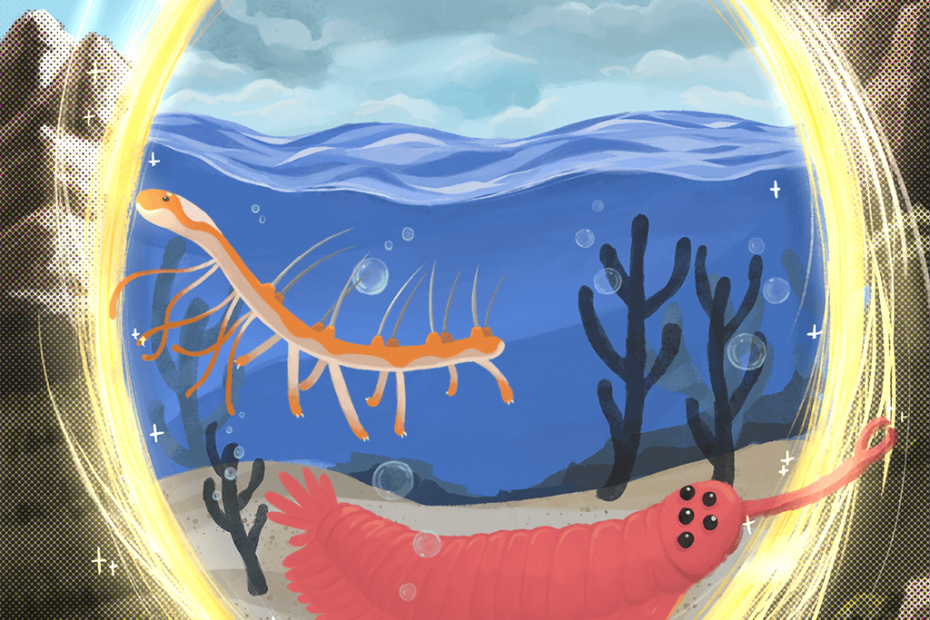
Imagine being able to time travel back to 4.3 billion years ago, witnessing for yourself the origin of life. Your time machine then takes you through the main episodes of Earth’s history, allowing you to see the planet changing and life evolving. Finally, at 250 million years into the past, just before the start of the age of the dinosaurs, your journey ends.
Many of us have heard the lyrics, “You would not believe your eyes / If ten million fireflies / Lit up the world as I fell asleep,” by the musical artist Owl City. But the truth is sometimes stranger than fiction—nature already has millions of bioluminescent organisms scattered across various ecosystems.
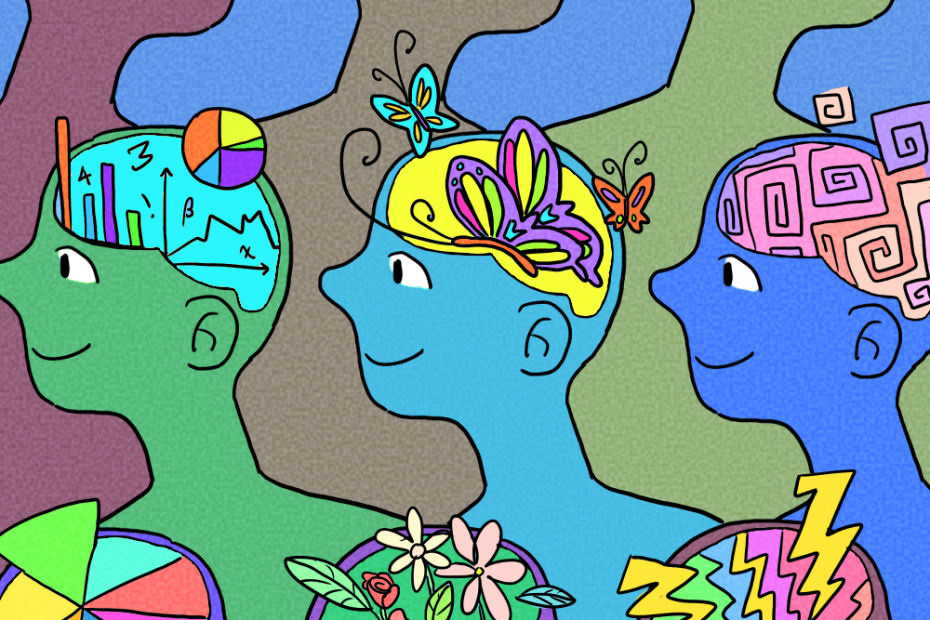
The diversity of humans and our individual differences is what makes the world so complex yet intriguing. If we embrace and respect these differences, our kindness can make a small yet important step towards an inclusive and diverse society.
After the relentless heat of summer, it’s no surprise if you’re looking forward to fall and its cooler weather. Whether your favourite part of this season is bundling up in cozy knitwear, cupping your hands around a delicious hot drink, or taking in the gorgeous sight of changing leaves, your wait is over! Unfortunately for many people, these perks come hand-in-hand with the threat of seasonal affective disorder (SAD).
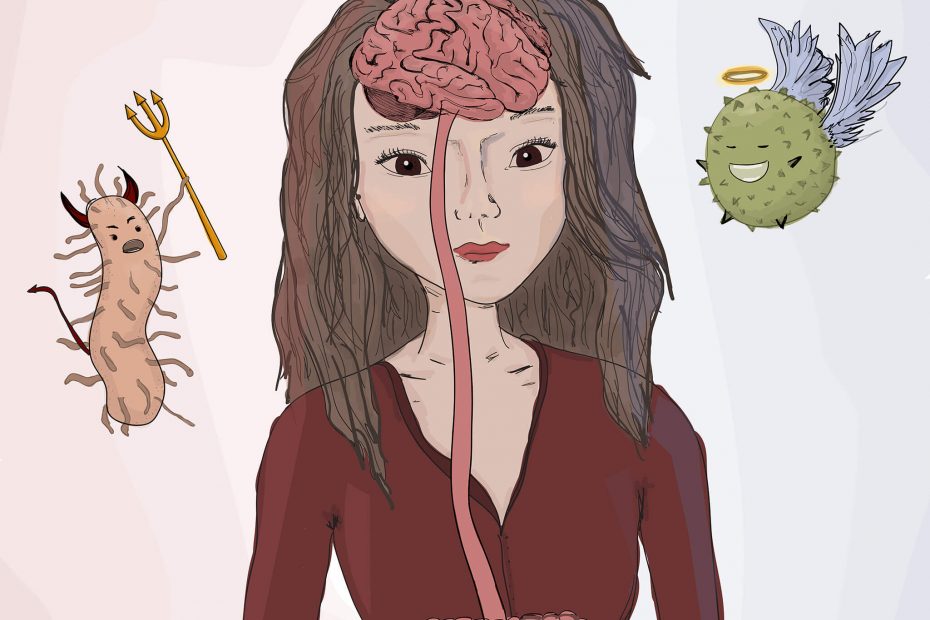
We all know that maintaining a healthy diet brings many benefits to our lives, but why does it matter so much, and what are the consequences of not doing so?
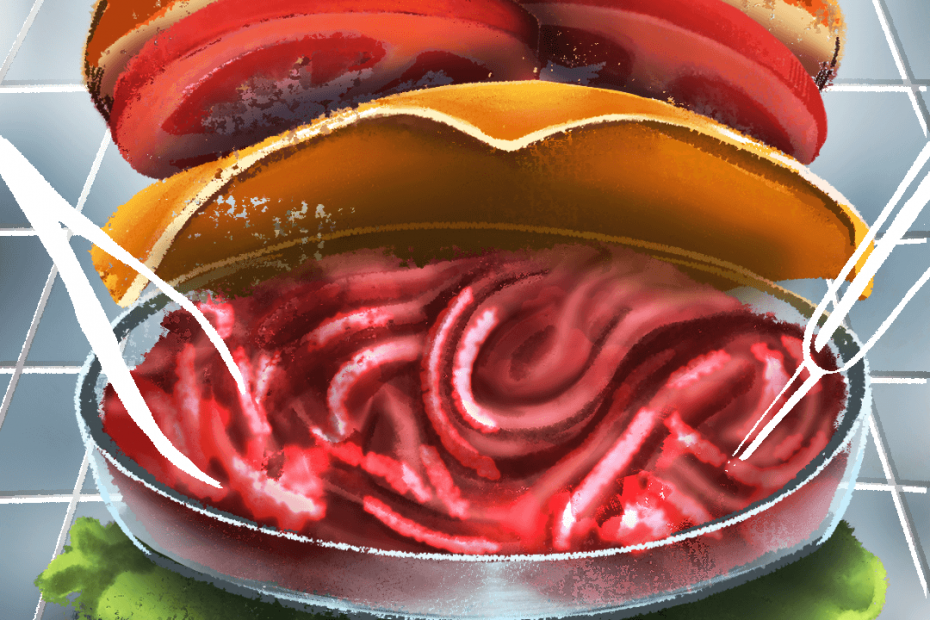
Agriculture and farming to produce meats, such as beef, are large contributors to greenhouse gas emissions that are accelerating climate change. As the population continues to grow, scientists are cooking up alternative ways to meet our increasing food demands.
Common parental wisdom claims that eating sweet treats like candy or soft drinks will lead to a “sugar rush”, but is there truth to these claims? How does sugar really affect our bodies?

Bats are possibly one of the most misunderstood and misrepresented animals of all. For centuries, bats have been and still are associated with darkness, death and the unknown. But bats don’t deserve the scary persona they have been given. If they’re actually good to have around, how can we help them thrive?
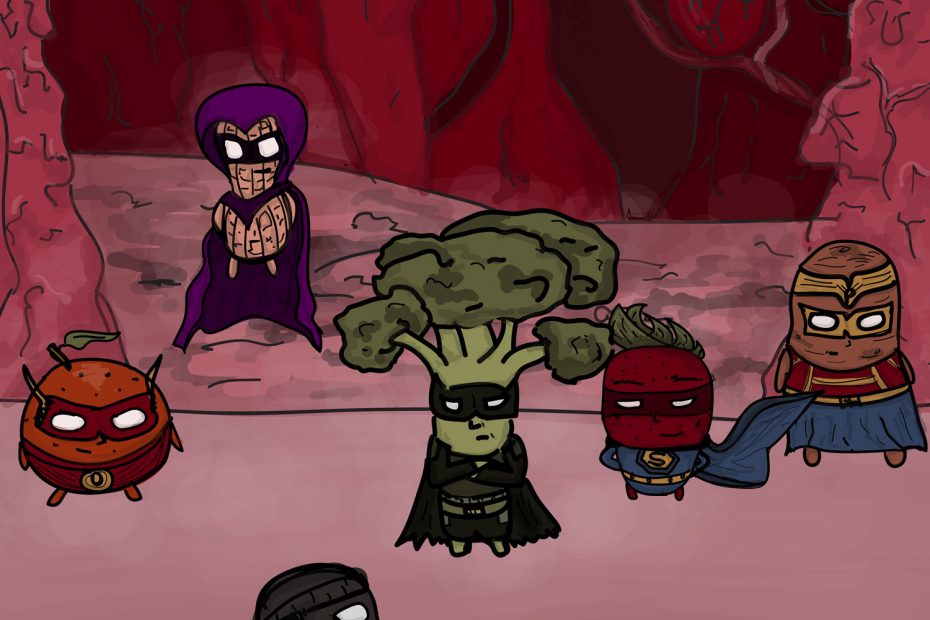
The word “antioxidants” has cropped up in many places—it’s on labels and menus advertising the health benefits of foods and drinks, and lots of nutrition recipes name it as one of their perks. But what do antioxidants actually do, and how do they affect our bodies?